How did desert safari tourism start in Dubai?
Desert safari tourism in Dubai grew from the city’s Bedouin roots and its rise as a global travel destination. As Dubai modernised, visitors wanted to experience the desert that shaped it, and operators began offering dune drives, camel rides and camp evenings that blend adventure with heritage. Today it is one of the city’s signature experiences, and the heart of what we offer on our desert safari.
The short version. The safari evolved from Bedouin desert life into a tourism experience as Dubai grew. Dune bashing, camel rides and camp dinners package that heritage for visitors who want the real desert.
From Bedouin life to tourism
For centuries the desert was home to the Bedouin, who travelled it by camel and lived by its rhythms. As Dubai transformed from a trading and pearling town into a modern city, the desert became something to visit and celebrate rather than survive, and the safari was born.
The rise of dune bashing
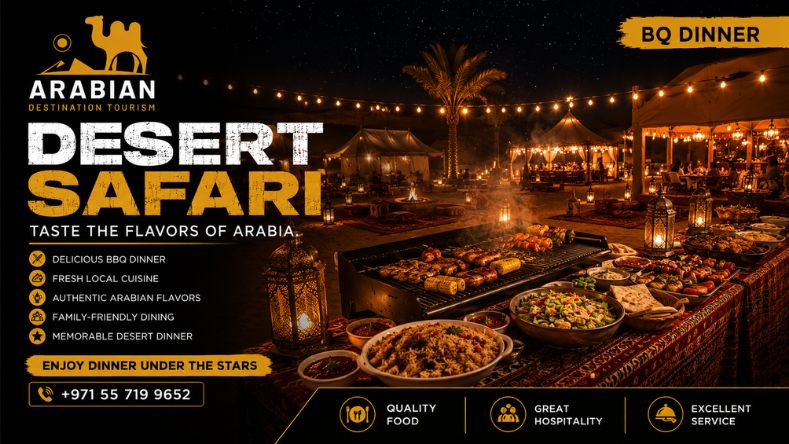
Four wheel drive vehicles opened up the dunes for thrill seekers, and dune bashing became the adrenaline centrepiece. Around it grew the full camp experience of camel rides, sandboarding, henna, shows and BBQ dinners that guests enjoy today.
The safari now
Modern safaris range from budget shared trips to VIP and private experiences, all rooted in the same desert heritage. See the options on our desert safari Dubai hub.
A short timeline
- Before the 1960s: Dubai is a trading and pearling town on the creek. The desert is home to Bedouin families who move with their camels and herds.
- 1966: oil is discovered offshore, and the money starts to transform the city.
- 1971: the United Arab Emirates is formed on 2 December, the date now celebrated as National Day.
- 1980s and 1990s: tourism grows, and the first organised desert tours take visitors into the dunes in 4×4 vehicles.
- 2000s: desert camps with dinners, dancers and camel rides become a standard part of a Dubai holiday.
- Today: safaris range from budget shared trips to private and overnight experiences, and parts of the desert are protected as conservation reserves.
What the camp evening borrows from tradition
Many parts of a modern safari have roots in Bedouin life. Arabic coffee and dates on arrival follow the custom of welcoming guests. The low seating with cushions and carpets copies the majlis, the traditional sitting room. Henna has long been used for celebrations. The camel, once essential for travel and trade in the desert, is now a gentle ride for visitors. Falconry, still practised across the UAE, is part of the same heritage.
Shows and their origins
The Tanoura dance, with its spinning, colourful skirts, comes from Sufi tradition and is popular across the region. Belly dance and fire shows were added as entertainment for visitors. Together they make the camp evening feel like a celebration.
Protecting the desert
As desert tourism grew, Dubai set aside protected areas to keep wildlife and dunes safe. Al Marmoom, in the south of Dubai, is a large conservation reserve home to Arabian oryx and gazelle. Read our Al Marmoom guide and our article on Bedouin culture to learn more about the desert behind the safari.
Experience it yourself
Our evening desert safari from AED 90 brings these traditions together at our camp in Al Awir: dune bashing, a camel ride, Arabic coffee, henna, the BBQ dinner and live shows.
Common questions
How old is desert safari tourism in Dubai?
It grew alongside Dubai’s tourism boom over recent decades, building on centuries of Bedouin desert life.
What started it?
Visitor interest in the desert that shaped Dubai, made accessible by four wheel drive vehicles.
Book your desert safari
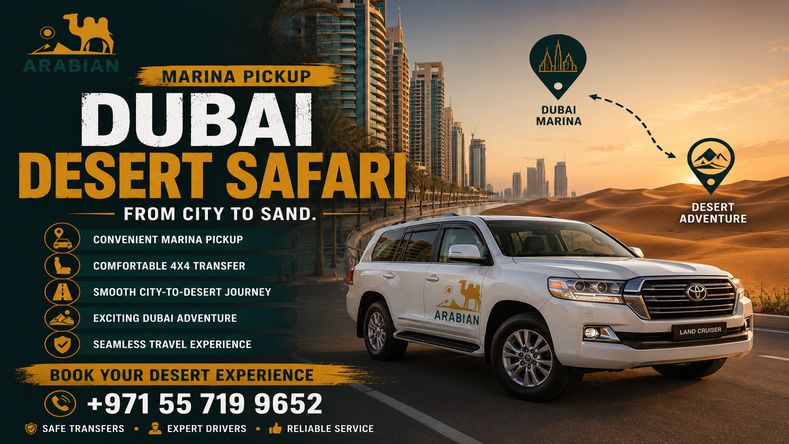
Ready to go? Reserve online, call us on +971 55 719 9652, or message us on WhatsApp for instant confirmation and free hotel pickup.
Related Blogs


Have questions? Chat with us
We typically reply within a few minutes